Functional mushrooms include species such as reishi, lion’s mane, cordyceps, and chaga. They are typically used for their potential wellness benefits that go beyond basic nutrition thanks to natural compounds like beta-glucans, triterpenes, and adaptogens.
The increased interest isn’t just hype. In a randomized, double-blind trial, people with mild Alzheimer’s disease saw a measurable slowdown in cognitive decline after taking lion’s mane daily for 49 weeks.
In this article, we will be discussing what functional mushrooms are, the species, how they work on the human body, the research-proven benefits, and if they are legal and safe.

Reishi, easily recognised by its glossy, fan-shaped cap, is one of the most heavily studied species in the functional mushroom category.
What Are Functional Mushrooms?
Functional mushrooms are fungi believed to provide health benefits beyond their nutritional value. They contain bioactive compounds and adaptogens, substances that can help the body respond to and regulate stress.
An important point of distinction is that functional mushrooms are different from psychoactive mushrooms like psilocybin (magic mushrooms). Functional mushrooms are non-intoxicating, don’t require a prescription, and are sold openly as food, drinks, powders, and supplements.
These mushrooms and their health-giving properties are not a new discovery. Indigenous cultures and traditional medicines across the world have used mushrooms for wellness for more than two thousand years.
Types of Functional Mushrooms
Each type of functional mushroom tends to be associated with a different focus area. Controlled trials have been carried out for most of the major species, but the overall body of research is still developing.
Reishi
Sometimes called the “mushroom of immortality,” reishi has some of the most established research behind it, with trials linking it to improved immune function.
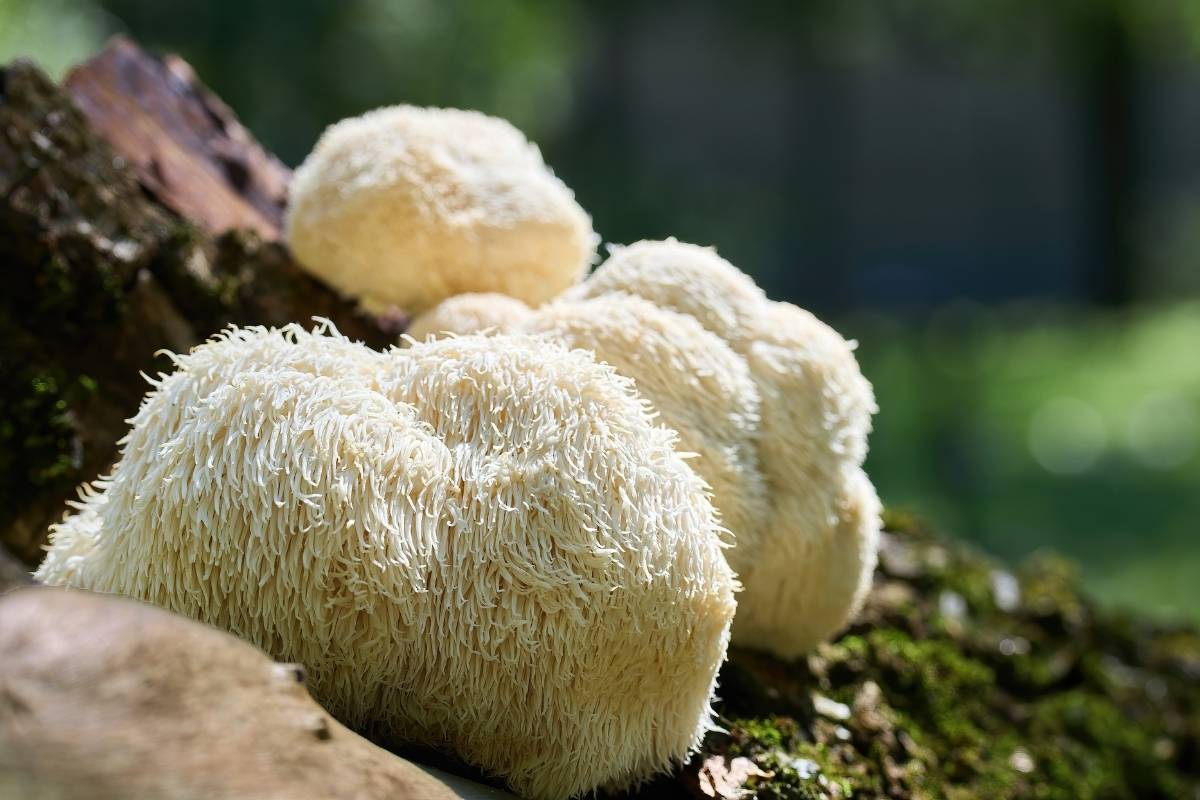
Lion’s Mane
Most studies focus on its effects on brain health, with small clinical trials linking it to improved memory, focus, and cognition.
Cordyceps
Traditionally used to support energy and stamina, with early research suggesting a potential boost to exercise performance.
Chaga
Extremely high in antioxidants, chaga has been studied for its potential to support a healthy inflammatory response.
Turkey Tail and Shiitake
Both have been studied for their effect on immune markers and gut health.

Curious how functional mushrooms can fit into your daily routine? Our Daily Gummies are clinically dosed and third-party lab-tested, so you always know what you are getting.
How Do Functional Mushrooms Work?
So how do functional mushrooms actually work? Rather than acting as a single all-purpose superfood, they work by compound. Beta-glucans, a type of complex carbohydrate found in all edible mushrooms, are recognized by immune system cells, which is believed to be what flags the immune response into action.
Triterpenes, again found in edible mushrooms, work differently. They are thought to neutralize free radicals and calm inflammatory processes in the body, which is where many of their antioxidant effects come from.
Cordycepin, specifically found in cordyceps, is believed to act on the cardiovascular and metabolic systems, which is why it’s linked to heart health and blood sugar balance.
Reviews of the wider clinical research back up the idea that these compounds add up to a broad range of pharmacological activity, though researchers are careful to note that more clinical trials are needed to confirm the long-term effects.
Functional Mushroom Benefits: What The Research Shows
The benefits of functional mushrooms tend to fall into three categories: cognitive support, immune support, and stress resilience.
Immune support comes from beta-glucan-rich species like reishi and shiitake. Cognitive support comes from species like lion’s mane. In addition, most functional mushrooms also contain adaptogens, which are believed to support the body’s ability to manage everyday stress.
With that being said, functional mushrooms are meant to be supportive, not curative; they should never be a substitute for medication; they cannot cure or prevent disease on their own. Real results tend to come from consistent, daily use rather than a single serving.
Are Functional Mushrooms Legal and Safe?
In nearly all cases, the answer is yes. In the US, reishi, lion’s mane, cordyceps, and chaga are legal nationwide and classified as dietary supplements.
Are they safe? Generally yes, though some people may experience upset stomachs or allergic reactions, so it’s worth taking them with food and stopping if you feel unwell. Since the FDA doesn’t review supplements in the same way it does food and medication, quality varies by brand. Keep an eye out for third-party tested products carrying a USP or NSF seal.
Our own Daily Gummies are independently lab-tested, so every batch is checked for purity and potency before reaching you. Whatever you choose, check with your doctor first, especially if you are pregnant, nursing, or on medication.

Cordyceps is traditionally valued for its role in supporting energy and stamina.
Making Functional Mushrooms Part of Your Routine
Functional mushrooms will not replace a balanced diet, exercise, or medical care, but the research behind species like lion’s mane, reishi, and cordyceps is promising. There are more ways than ever to work them into your everyday routine, and the key is consistency.
Ready to give functional mushrooms a try? Our Daily Gummies are a simple and lab-tested mushroom supplement. Try them and feel the difference for yourself.


Leave a comment
This site is protected by hCaptcha and the hCaptcha Privacy Policy and Terms of Service apply.